 English
 中文简体

Home / News / Industry News / Where Do Hotels Buy Their Towels? A Practical Sourcing Guide for Buyers
Content
The short answer to where hotels buy their towels: from specialized hospitality linen distributors, direct from textile manufacturers, and, increasingly, from manufacturers of disposable nonwoven bath towels. The channel a hotel chooses depends on its size, its laundry operation, and the hygiene standard it promises guests. This article walks through each sourcing route, the specifications buyers actually check, and the questions to ask before you commit to a supplier.
The Main Sourcing Channels for Hotel Towels
Hotels do not buy towels the way households do. They order in bulk, reorder on a schedule, and expect identical quality across batches. That reality narrows the options to four practical channels.
- Direct from textile manufacturers. Large hotels and hotel groups often work directly with towel factories in major textile-producing countries such as China, India, Pakistan, and Turkey. Buying direct removes the middleman and gives the buyer full control over specifications - GSM, fiber blend, hem stitching, and packaging. The trade-off is larger order quantities and the need to manage your own quality inspection.
- Hospitality linen distributors and wholesalers. Regional distributors stock towels that are already specified for hotel use. This is a common route for independent hotels and guesthouses that cannot meet factory minimums. The advantages are fast delivery and low minimums; the disadvantages are less room for customization and a higher unit price.
- Online wholesale marketplaces. Platforms such as Alibaba and Made-in-China connect buyers directly with manufacturers. This works well when you already know your specification and are prepared to vet suppliers yourself. It is usually the starting point for first-time buyers, but it carries a considerable risk of inconsistent quality if you skip the sample stage.
- Local textile agents and buying offices. In many markets, an agent acts as your representative at the factory, checking production and coordinating shipment. Agents charge a commission of roughly 3 to 7 percent, but they can prevent specification errors that cost far more.
A fifth option has grown quickly over the past decade: sourcing from manufacturers of disposable nonwoven towels. These suppliers sit outside the traditional linen model, but they serve hotels that want to eliminate laundering, reduce par stock, and offer a visibly sealed single-use towel to guests. For that reason, they belong on any hotelier's list of places to compare.
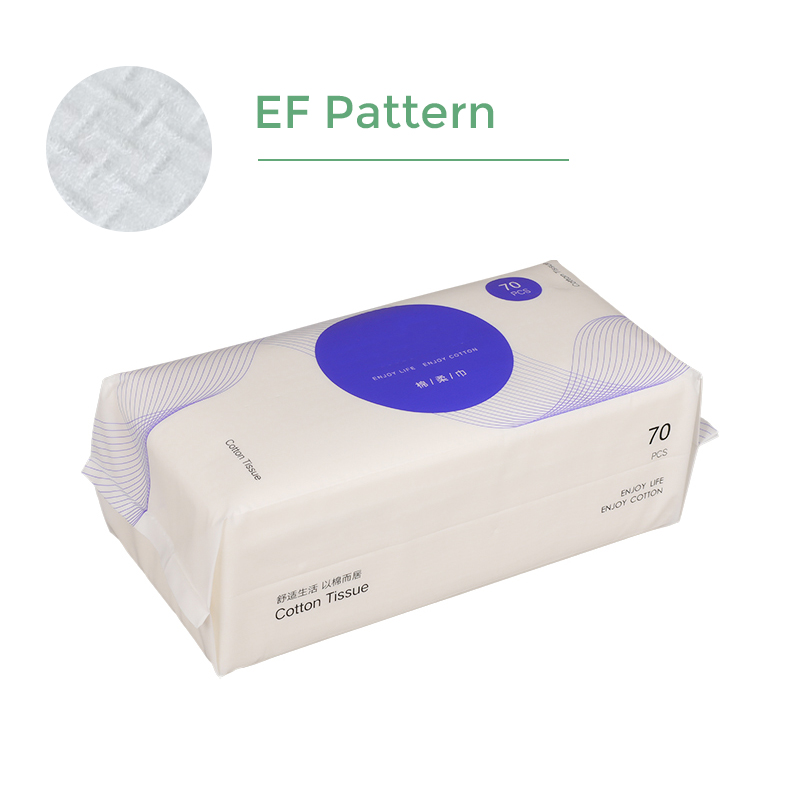
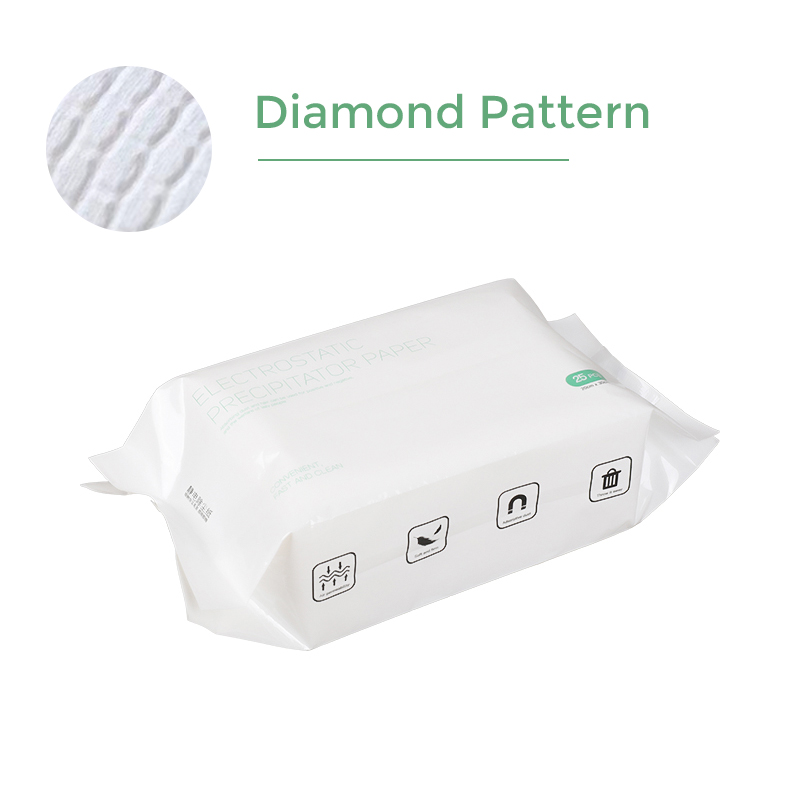
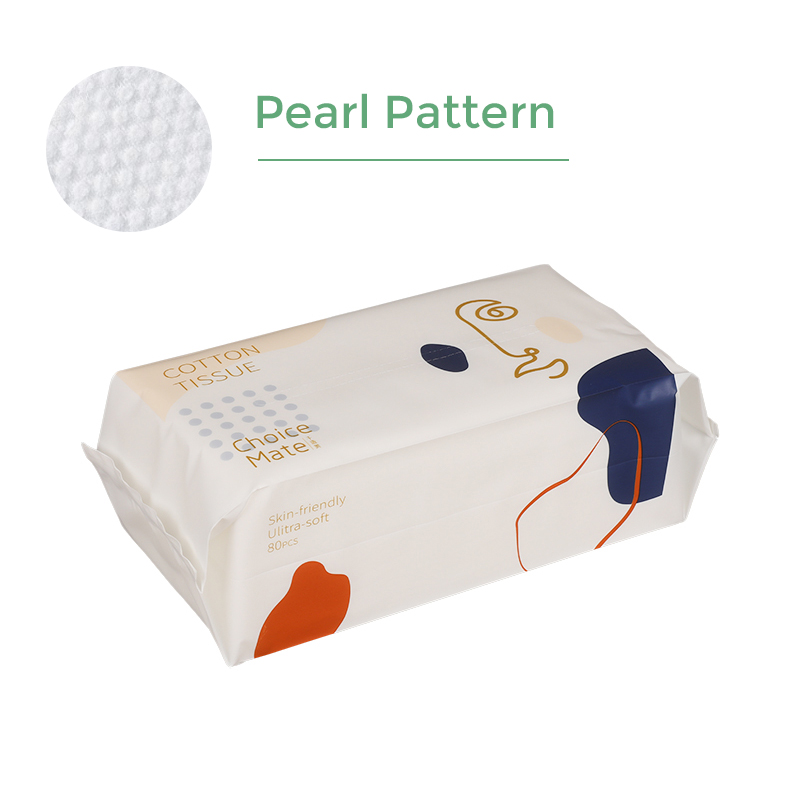
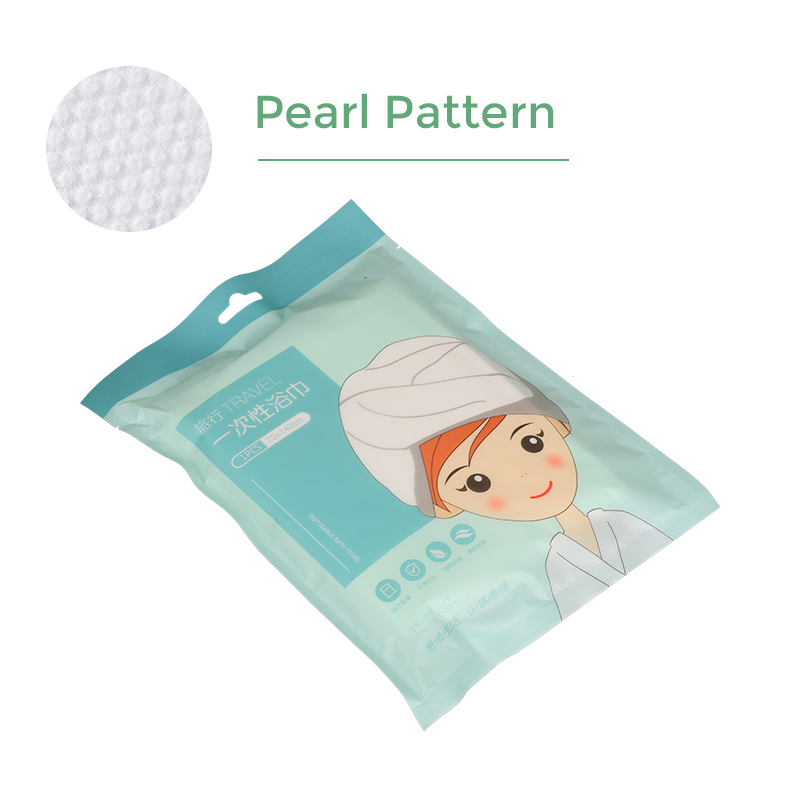 Disposable Bath Towels in Pre-Folded and Compressed FormsThis supplier offers spunlace nonwoven bath towels in 70-90 GSM, available pre-folded or compressed. Sealed individually, they suit hotels seeking hygienic single-use towels without laundering. Compare sizes like 70x140 cm or 80x160 cm against standard linen.View Product →
What Hotels Check Before Placing an Order
Buyers compare the same specifications whether they are buying cotton towels from a mill or disposable towels from a nonwoven producer. Knowing these specs lets you compare quotes fairly and avoid paying for quality you do not need.
Weight: GSM in Traditional Towels, Basis Weight in Nonwovens
Grams per square meter (GSM) is a commonly quoted specification in hotel towel purchasing. It tells you how dense the fabric is. In broad terms, higher GSM means a thicker, more absorbent, and more luxurious-feeling towel, but it also means longer drying time, heavier laundry loads, and higher energy use.
| Category | Weight Range | Where It Is Used |
|---|---|---|
| Economy cotton towel | 350-450 gsm | Budget hotels, gyms, camps |
| Mid-range cotton towel | 450-550 gsm | Business hotels, resorts |
| Premium cotton towel | 550-650 gsm | Upscale and luxury properties |
| Nonwoven bath towel | 50-80 gsm | Single-use guest amenity |
Do not compare the last row with the cotton rows directly. Nonwoven towels are engineered for high absorbency in a single use, then discarded. The meaningful comparison is cost per use and total cost per guest night, not towel weight in isolation.
Material, Construction, and Finish
Traditional hotel towels are made from combed cotton, ring-spun cotton, or a cotton-polyester blend. The blend ratio affects absorbency, linting, and durability. Professional buyers look for a double-stitched hem, a tight selvedge, and a reinforced edge at the corners, because those details determine how many wash cycles the towel survives.
Nonwoven bath towels are made by a spunlace process that entangles fibers - usually cotton, viscose, or a blend - into a fabric without weaving. The result is a towel with softness, wet strength, and a consistent texture in every piece. Because each towel is used once and then discarded, there is no shrinkage, no pilling, no lingering odor, and no chance that a guest receives a towel that has already been through a laundry cycle.
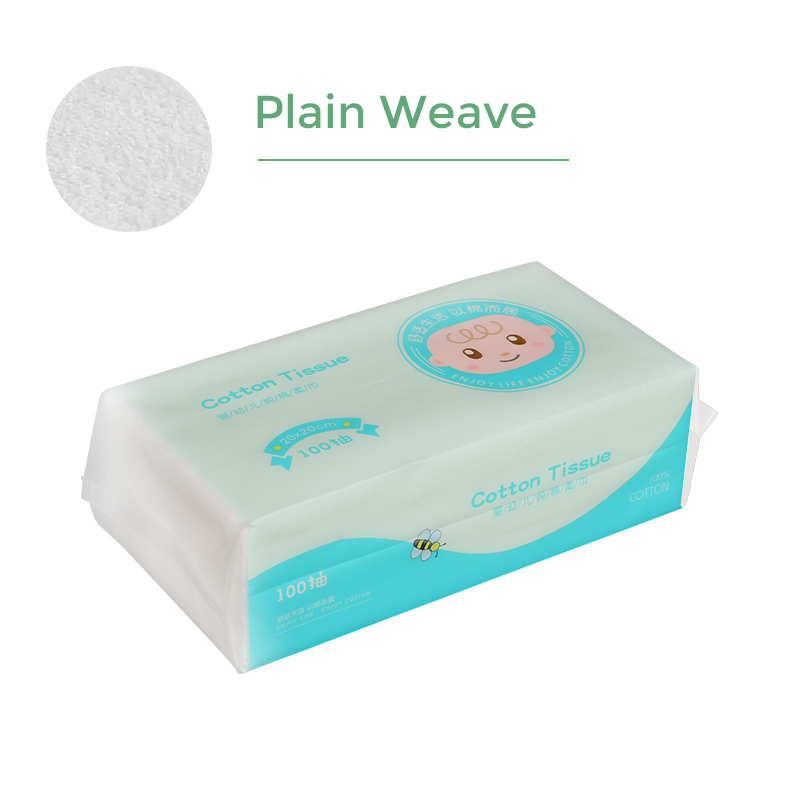 Spunlace Nonwoven Towel and Product ManufacturerA China-based manufacturer with two spunlace production lines and over 20,000 square meters of workshops. They offer OEM/ODM services for hotels exploring disposable nonwoven towels, with consistent texture and wet strength across batches. Useful for comparing supplier capabilities.View Product →
Sizes and Dimensional Accuracy
A standard hotel bath towel measures about 27 x 52 inches (70 x 140 cm), and a luxury bath sheet is roughly 35 x 60 inches (80 x 160 cm). Hand towels and washcloths complete the inventory. When sourcing, buyers verify that dimensions are consistent across the batch, because a towel that arrives smaller than ordered is immediately noticeable to a guest. Disposable bath towels are produced in the same sizes, so no change in folding or storage is required if you switch.
Why a Growing Number of Hotels Are Buying Disposable Towels
The conventional hotel towel model requires you to own three to five sets of towels per room because much of the inventory is often in the laundry cycle. That model carries fixed costs: water, energy, detergent, labor, repair, and replacement of towels that shrink, stain, or lose their nap.
Disposable towels change the equation. A guest uses a towel once and it is discarded or recycled. There is no washing, no drying, no sorting, and no par stock beyond a modest working inventory. Properties that have adopted disposable towels often find that the total cost per towel use is competitive with cotton once laundry labor and water heating are included, and the hygiene message is unambiguous: the towel was sealed for this guest, and no one else has touched it.
The model fits certain segments better than others:
- Spas and massage studios, where towels turn over quickly and hygiene is part of the service promise.
- Budget and roadside hotels, where staffing is thin and turnaround time between guests is short.
- Gyms, pools, and event venues, where towels are frequently lost, worn, or stolen.
- Medical tourism facilities and clinics, where single-use items are a stated requirement.
- Boutique hotels that use a sealed disposable towel as a visible trust signal in the bathroom.
Many properties adopt a hybrid strategy: conventional cotton towels for standard room service, and disposable bath towels plus disposable bedding for overflow rooms, day-use rooms, or any situation where a quick turnaround matters more than the feel of laundered cotton.
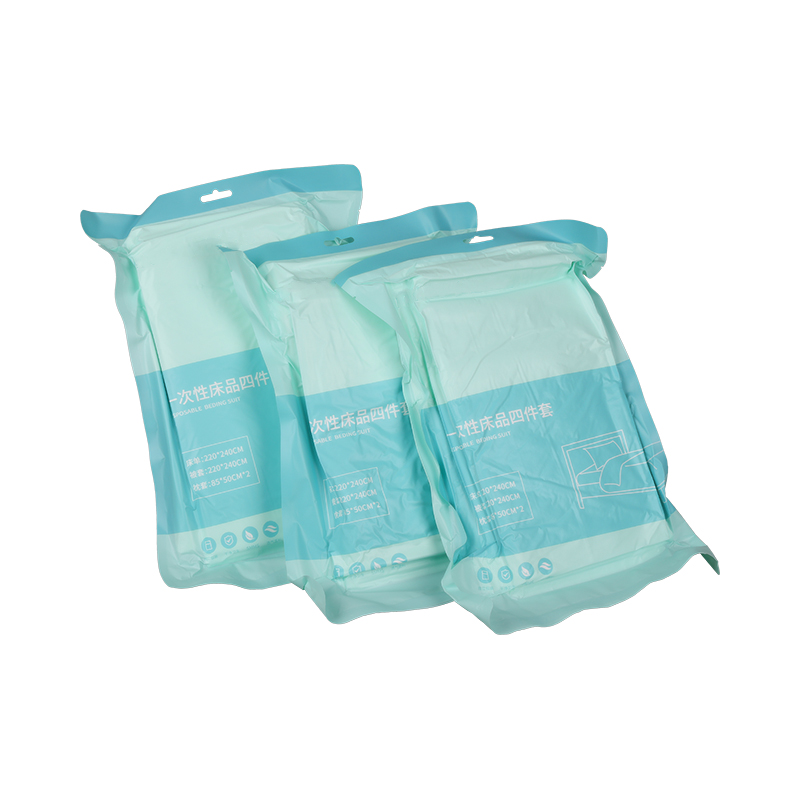 Disposable Bedding Sets for Hotels and TravelersThese bedding sets include flat sheet, duvet cover, and pillowcases in three- or four-piece options. Made from high-count spunlace nonwoven fabric, they offer sterile, individually sealed protection. Ideal for hotels handling overflow rooms, day-use rooms, or quick-turnaround situations.View Product →
How to Evaluate a Towel Supplier Before You Commit
A towel order is only as good as the supplier's manufacturing discipline. Here is what experienced hotel buyers verify before signing a contract.
- Request samples and stress-test them. For cotton towels, wash the sample at least ten times and measure dimensions before and after. Look for shrinkage, pilling, and loss of absorbency. For nonwoven towels, test wet strength, lint, and absorbency in a realistic-use scenario rather than by feel alone.
- Confirm they are the actual manufacturer. Many suppliers are trading companies that resell from multiple factories. There is nothing wrong with a trader, but you should know who really controls production. Ask for the factory address, production lines, and the specific facility where your order will be made. Understanding how the spunlace nonwoven process works will help you ask the right questions about durability and absorbency.
- Verify certifications and testing. For cotton towels, certifications such as OEKO-TEX Standard 100 cover harmful substances, and ISO 9001 indicates a basic level of quality management. For disposable towels, check compliance with skin-contact and food-contact regulations for the markets you serve, and request the test reports rather than accepting a verbal claim.
- Clarify MOQ, turnaround time, and after-sales policy. Mill-direct cotton towel orders often start at 500 to 1,000 pieces per color and size. Disposable towel manufacturers generally offer more flexible minimums, but still set a per-SKU minimum. Confirm turnaround times in writing, and ask for a clear defective-goods policy with a defined tolerance for weight and dimension variation.
Practical Advice for Your Next Towel Order
A few rules keep buyers out of trouble more reliably than any brand name.
- Buy on cost per use, not cost per piece. A 600 gsm cotton towel that lasts 300 cycles is often cheaper in real use than a 400 gsm towel that lasts 150 cycles. For disposable towels, calculate the cost per guest night including packaging and disposal.
- Right-size your par stock. Cotton towel inventories need three to five sets per room to cover laundry rotation. Disposable towels require a much smaller buffer, which frees up storage space and working capital.
- Run a pilot before you scale. If you are considering disposable towels for part of your property, test them for a month on one floor or in one department. Track guest comments, housekeeping time, and actual cost per room.
- Standardize your specification sheet. Put the GSM or basis weight, dimensions, fiber content, hem or edge detail, packing method, and acceptable tolerances in writing, and attach that sheet to every purchase order.
When you are comparing suppliers for the time being new to this process, an efficient route is often to start with a manufacturer that can show you a complete range of disposable bath towels, face towels, and bedding, so you can evaluate single-use alternatives against your current cotton program in one pass.
The answer to where hotels buy their towels has never been a single address. It is a decision between traditional linen distributors, direct mill sourcing, and disposable nonwoven manufacturers, with many properties now combining two of the three. Your choice should be driven by your laundry capacity, your guest expectations, and a cost-per-use calculation that includes labor and utilities - not by habit. Start with samples, wash-test them, and let the data decide.